

IBS Tips I Wish Someone Told Me Sooner (From a Naturopath Who Gets It)
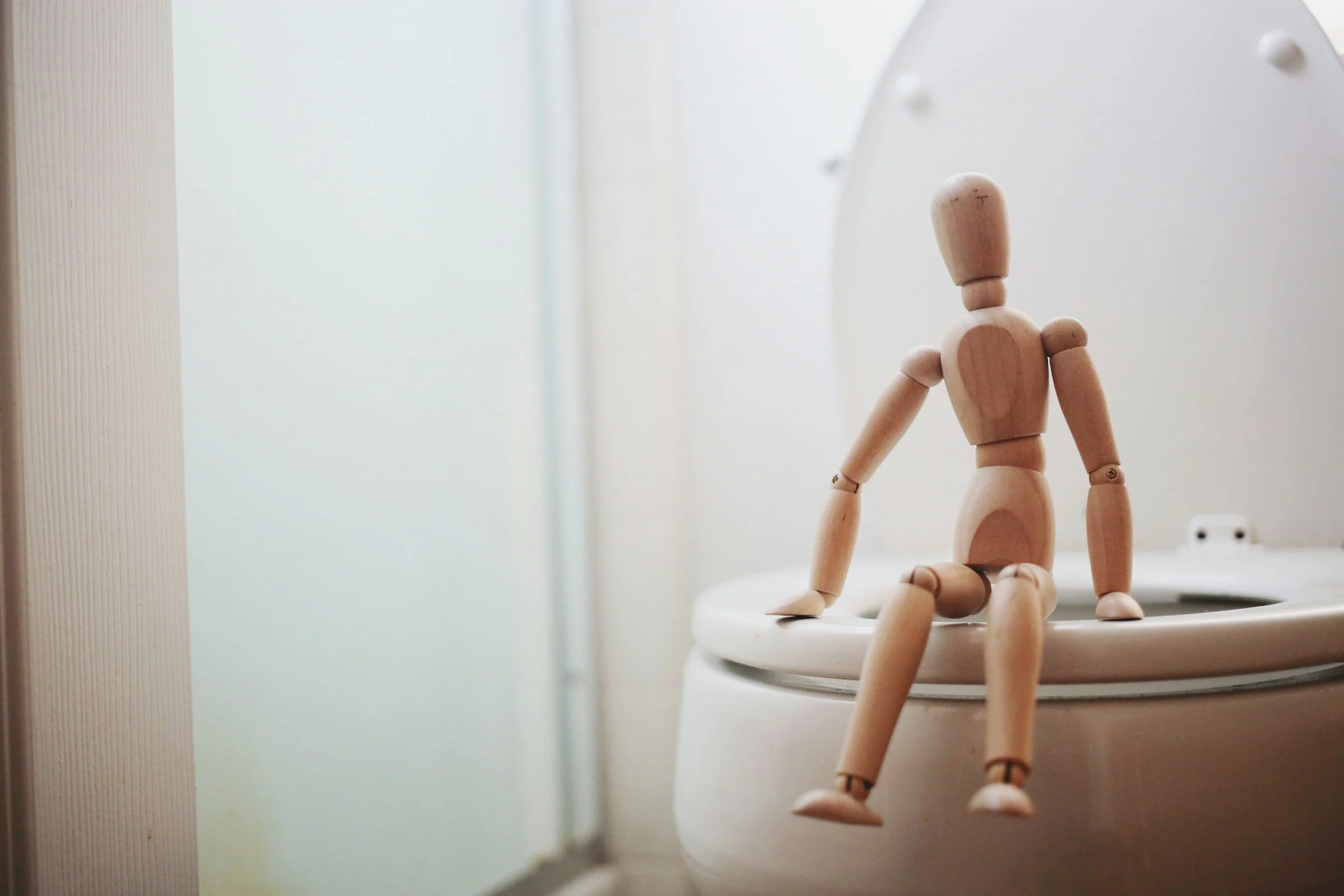
Millions live with IBS (Irritable Bowel Syndrome), but most do it silently. Because let’s be honest, talking about your bowels isn't exactly casual small talk.
As someone who personally deals with IBS, let me say it clearly: the pain is real. And it’s not just the physical cramps and bloating. It’s the daily decision-making. The “can I eat this without regretting it?” math you do before every meal, especially if you're out, or worse...camping.
IBS makes you hyper-aware of every bite, every bathroom location, and every social event that involves food. Yet, it often gets brushed off. So let’s talk about it, with a little humor, and some real tips.
So…What Is IBS, Exactly?
IBS isn’t just “a sensitive stomach.” There are a few mechanisms behind why symptoms happen:
Dysregulation of the gut-brain axis: Your gut and brain are in constant communication. Stress, anxiety, or emotional triggers can mess with how your gut moves and digests food.
Gut motility issues: For some people, food moves too fast. For others, it’s painfully slow. That leads to diarrhea, constipation, or both.
Visceral hypersensitivity: Your gut might be reacting more intensely to normal things like gas or stretching. So while one person feels nothing after a meal, you feel like a balloon ready to pop.
Dysbiosis: This is an imbalance of good vs not-so-good bacteria in your gut. When the wrong microbes take over, your digestion suffers. Some strains produce gas, trigger inflammation, or affect nerve signaling in your intestines.
This is why it’s not just “in your head.” It’s a very real, very complex condition that needs more than a band-aid approach.
You Can’t Guess What Will Set You Off
Sometimes a banana feels safe. Sometimes a banana ruins your whole day. That’s IBS.
There are common triggers like garlic, onions, beans, dairy, greasy food, alcohol, but not everyone reacts the same way. What causes cramps in one person might be totally fine for someone else. That’s what makes IBS such a puzzle.
Tip: Keep a 1 to 2 week symptom and food log. Track your meals, stress levels, bowel habits, and how you feel after eating. You’ll start to see patterns, and it helps narrow things down faster than cutting out 50 foods for no reason, which would leave you with more problems (e.g. nutrient deficiencies).
The Three Main Types of IBS
If you’ve ever felt like your gut changes personalities on you, you're not alone. IBS shows up in a few different ways:
IBS-D: Mostly diarrhea
IBS-C: Mostly constipation
IBS-M: Mixed, constipation one day, diarrhea the next
No matter the type, they all involve bloating, discomfort, and the feeling that your digestive system is calling the shots.
Tip:
If you lean toward constipation, daily movement, hydration, and magnesium citrate can help.
If it’s more diarrhea, try adding soluble fiber (like psyllium) and calming herbs like peppermint.
If it’s mixed, it really depends on the phase you're in. That’s where tracking helps.
Stress Isn’t the Cause, But It Makes Everything Worse
IBS and stress have a long, toxic history together. Your gut has its own nervous system (called the enteric nervous system), and it reacts quickly to emotional or physical stress.
When stress spikes, your digestive enzymes drop, motility gets wonky, and your gut becomes more sensitive. That’s why even a healthy lunch can suddenly turn into a bloating disaster if you're anxious.
Tip: Before meals, take a few deep breaths. Put your phone down, chew slowly, and don’t eat while distracted. If your brain thinks you’re being chased by a lion, digestion will shut down!
IBS Is That Friend Who Ruins Camping
Camping with IBS means you don’t just pack snacks and bug spray. You’re thinking about bathrooms, backup clothes, safe meals, and mentally preparing yourself to pass on the chili your cousin insists is "fine."
Tip: Bring familiar, low-FODMAP snacks. Peppermint or ginger tea helps a lot. And avoid trying “something new” while in the woods. Save the experiments for your own kitchen, not the campsite.
What About Probiotics?
Probiotics can help, but it’s not as simple as grabbing the first bottle at the health store.
Certain strains like Bifidobacterium infantis or Lactobacillus plantarum may help reduce bloating, gas, and stool irregularity, but only if they match your IBS type and bacterial imbalance. And if you take the wrong one? It can make things worse.
Tip: Don’t DIY it. A stool test or proper guidance can help you find the right strains instead of playing supplement roulette.
You Deserve More Than “Just Avoid Dairy”
IBS is often brushed off with surface-level advice. "Avoid spicy food." "Try yoga." "Drink more water." And while these things help, they’re not the whole picture.
What actually works is a personalized approach that looks at:
Gut bacteria and potential dysbiosis
Food triggers (especially FODMAPs)
Stress and nervous system regulation
Sleep patterns
Hormones and thyroid health
Vitamin and mineral deficiencies
That’s the approach I use in my practice, and it’s helped a lot of patients finally feel like themselves again.
You’re Not Doomed to Deal With This Forever
IBS affects way more than just your stomach. It changes how you eat, how you travel, how you socialize, and how you feel about your own body.
Here’s the good news, with the right approach, IBS doesn’t have to control your life. I’ve been there. I’ve sat through the bloating, the pain, the bathroom planning, and the food anxiety. I’ve also seen the relief that comes when you finally figure out what’s going on.
If you're ready to stop guessing and start healing, I’m here.
Book a free 15-minute consult and let’s find what works for your gut and get you back in control.
Dr. Yehia Al-Hashmi is a licensed naturopathic doctor based in Ontario who helps patients uncover the root causes of their symptoms through his “Cycle of Wellness” approach addressing sleep, stress, gut health, and hormones to restore balance and lasting relief.
