

How to Naturally Support Hormone Balance with PCOS
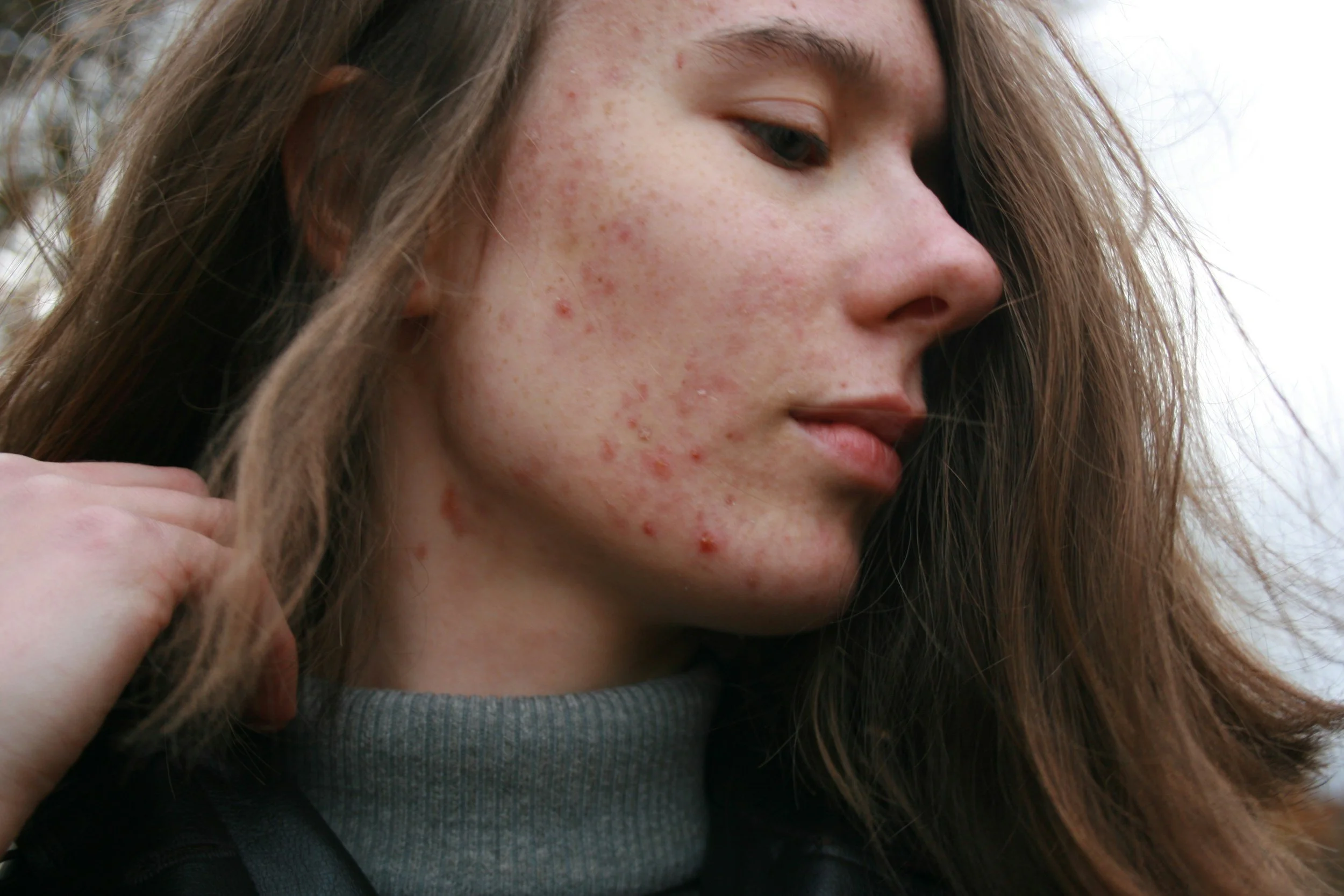
If you’ve ever been told that irregular periods or hormonal acne are “just part of being a woman,” you’ve probably felt the frustration that comes with having PCOS. If your concerns were dismissed with birth control and “just lose some weight,” that frustration likely turned into exhaustion.
Polycystic Ovary Syndrome (PCOS) is one of the most common hormonal conditions affecting women, and yet, it’s still frequently underdiagnosed, misunderstood, or brushed off entirely.
In my naturopathic practice, I see women all the time who have been struggling for years without answers. They’re tired of feeling unheard. Women deserve better.
Let’s break down what PCOS actually is, what symptoms it can cause, and some evidence-informed natural strategies that can support your health.
How PCOS Is Diagnosed
You don’t need cysts on your ovaries to be diagnosed with PCOS. That’s a big misconception. According to the Rotterdam Criteria, having two out of these three qualifies:
Irregular or absent ovulation (which often shows up as infrequent or missed periods)
High androgens, either in bloodwork or seen physically through symptoms like acne, facial hair, or hair loss
Polycystic ovaries on ultrasound
It’s frustrating how often PCOS is overlooked, especially if you're not trying to get pregnant. Many are told their periods will “figure themselves out” or that “birth control is the only option.” That’s not good enough.
Tip 1: Balance Your Blood Sugar
Insulin resistance plays a huge role in many PCOS cases. In fact, up to 70 percent of women with PCOS have some degree of it. When your body doesn’t respond properly to insulin, it produces more, and high insulin levels stimulate the ovaries to make more testosterone, worsening symptoms like acne, hair loss, and irregular cycles.
What you can do:
Eat protein, healthy fats, and fiber with every meal. This slows digestion and keeps blood sugar steady.
Avoid skipping meals, especially breakfast. Eating within an hour of waking helps balance hormones throughout the day.
Try walking for 10 to 20 minutes after meals. This helps move glucose into cells more efficiently.
Consider adding 1 tbsp of apple cider vinegar in water before meals to help with insulin sensitivity.
This is not about cutting carbs completely. It’s about building meals that keep your energy stable and prevent the blood sugar rollercoaster.
Tip 2: Move, But Don’t Burn Yourself Out
Exercise is important for PCOS, but chronic overtraining can actually worsen hormone imbalances, especially if cortisol is already high.
Focus on movement that builds strength and regulates stress:
Strength training 2 to 3 times per week can help reduce insulin resistance and build lean muscle
Daily walking is underrated, it supports blood sugar, mood, and digestion
Short bursts of movement like interval training can help some people, but listen to your body
If your period disappears or fatigue gets worse when you exercise more, that’s your body asking for a different approach.
Tip 3: Support Your Detox Pathways
Your body processes excess hormones through the liver and eliminates them via the gut. If you’re not going to the bathroom regularly or your liver is sluggish, those hormones can recirculate.
Here’s how to support these pathways naturally:
Eat cruciferous veggies like broccoli, cauliflower, cabbage, and Brussels sprouts, they help the liver metabolize estrogen
Make sure you’re having a daily bowel movement
Stay hydrated and aim for 25 to 30 grams of fiber per day
Try warm lemon water in the morning to gently stimulate digestion
If you're bloated, constipated, or constantly gassy, it may be time to focus on gut health too. Your hormones and gut are deeply connected.
Tip 4: Calm the Nervous System
Chronic stress can worsen every symptom of PCOS. It increases cortisol, which raises blood sugar and drives inflammation. It can also delay ovulation and disrupt your cycle altogether.
Easy ways to lower stress hormones:
Take 3 to 5 deep belly breaths before eating: this habit improves digestion and signals safety to your nervous system
Try guided meditations, journaling, or yoga a few times a week
Go for a nature walk and engage your senses: notice the sounds, smells, and feeling of the air on your skin
Cut back on multitasking during meals or right before bed
You don’t need a full self-care routine. You just need to build in small daily moments that help regulate your nervous system.
Tip 5: Use Supplements Strategically
PCOS is not a supplement deficiency, but targeted nutrients can help support your body’s needs. Not everyone needs the same ones, which is why testing and guidance matter.
That being said, some evidence-based options include:
Inositol (especially Myo-Inositol + D-Chiro Inositol): helps regulate ovulation, improve insulin resistance, and lower testosterone
Magnesium: supports stress response, blood sugar balance, and sleep
Zinc: reduces androgens and helps with acne and hair loss
Vitamin D: often low in PCOS and important for hormone balance and immune health
Always talk to a practitioner before starting a new supplement, especially if you’re taking other medications or trying to conceive.
Tip 6: Consider Gut Health and Probiotics
Many people with PCOS also struggle with bloating, constipation, or digestive discomfort. This may be connected to dysbiosis, an imbalance in gut bacteria that can influence hormones, insulin, and inflammation.
What helps:
Adding fermented foods like kefir, sauerkraut, or yogurt (if tolerated)
A high-quality probiotic with researched strains like Lactobacillus rhamnosus or Bifidobacterium lactis
Stool testing if symptoms are persistent or unexplained
Gut health is more than digestion, it affects your entire hormone system.
You Just Need the Right Support
PCOS affects your hormones, your mood, your energy, your skin, your cycles, and your confidence. It can feel like your body is working against you, and that’s a hard place to be.
But there is hope. With the right tools and a plan that’s tailored to you, PCOS symptoms can improve. I’ve seen it in my practice. And I’ve seen how validating it feels just to have someone say, “I believe you.”
Book a free 15-minute consult and see how I can help you with PCOS or other hormonal issues you may have.
Dr. Yehia is a licensed naturopathic doctor in Ontario who helps patients find balance using the Cycle of Wellness, a personalized approach to gut health, stress, sleep, and hormones. His care is rooted in science, compassion, and getting to the root cause.
